

More than a month after a U.S.-brokered ceasefire began on October 10, 2025, violence has surged again in parts of Gaza. Over the past few days, Israeli airstrikes have killed at least 33 Palestinians, many of them women and children, according to Gaza medical officials. AP News+2The Guardian+2
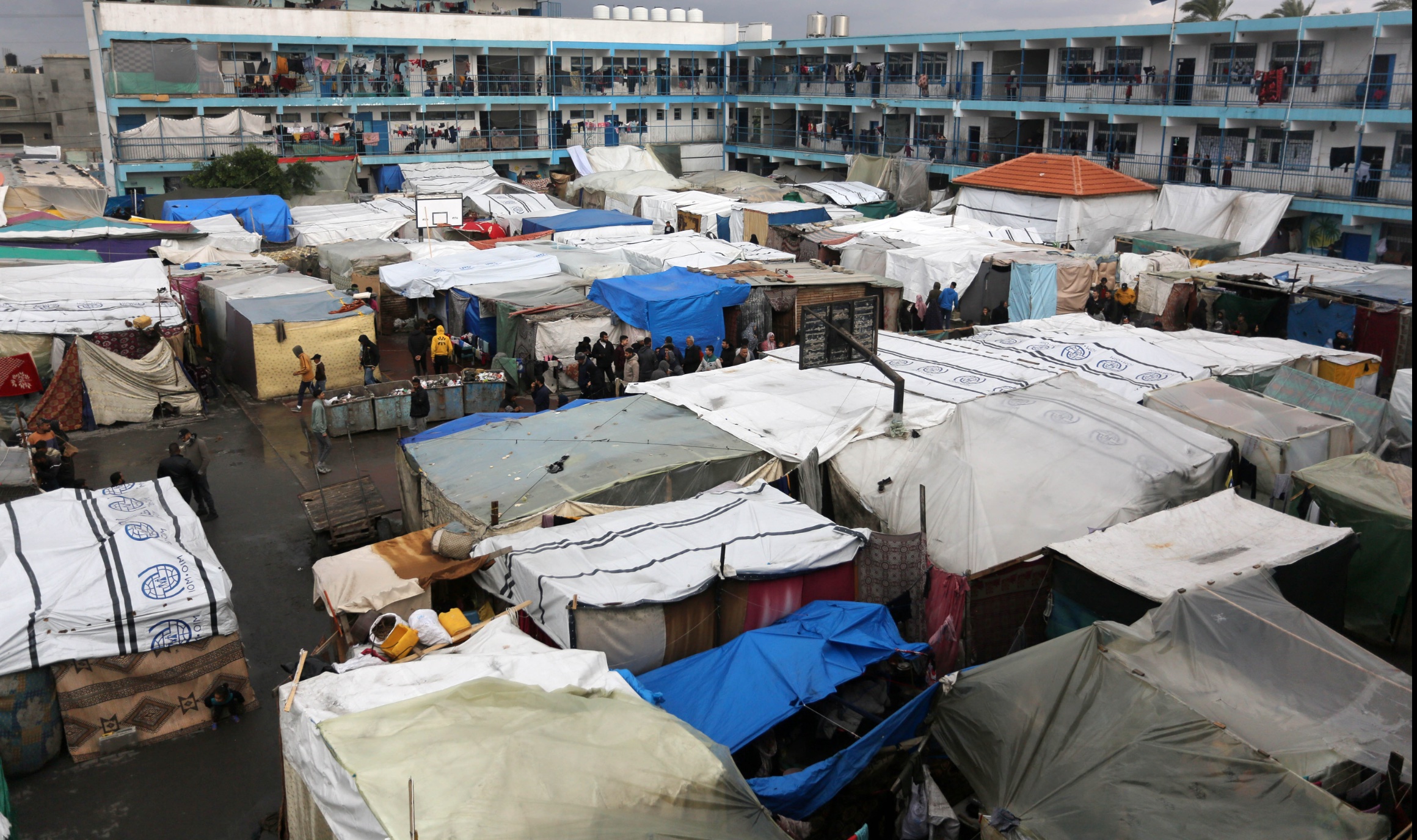
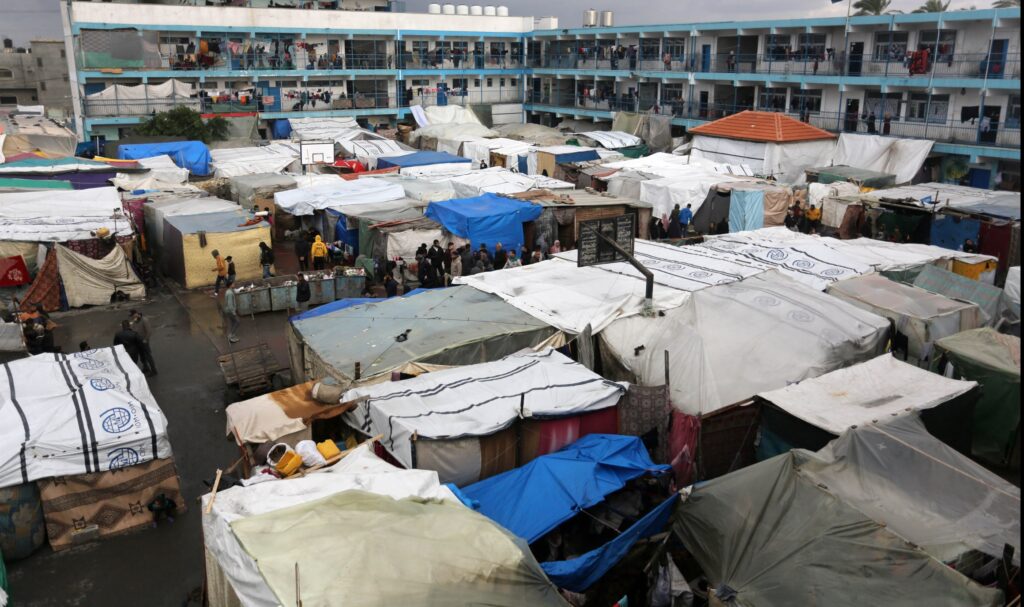
The strikes reportedly hit tents sheltering displaced people in Khan Younis and buildings in Gaza City, where devastated families are still living with very limited protection. AP News+1 Israel says its forces carried out the strikes in response to alleged fire on its troops — though no Israeli casualties have been reported. The Guardian Meanwhile, Hamas denies attacking and strongly condemns the bombings, calling them a “shocking massacre.” The Guardian
Since the ceasefire took effect, Gaza’s health ministry says more than 300 people have died in renewed violence. The Guardian This shows how fragile the truce remains, with both sides accusing each other of violations. AP News+1
At the same time, deep humanitarian problems continue. Aid was supposed to flow more freely under the truce — but much less assistance than planned is getting through. Al Jazeera Many displaced Gaza residents still live in tents, and basic supplies like food, clean water, and medicine are hard to come by. Al Jazeera+1
On the political front, the U.N. Security Council has endorsed a new plan for Gaza. The plan calls for a transitional international stabilization force and a pathway toward Palestinian statehood. Al Jazeera But there are serious questions: Who will staff this force? Who disarms Hamas? And can aid really reach people without major changes to how Gaza is managed?
In short: the ceasefire is holding in name, but the violence, instability, and humanitarian crisis are far from over. People in Gaza are still struggling to rebuild, and the truce may only last as long as it’s enforced — not just agreed upon.
