

Student Struggle to Meet Deadlines Whilst Experiencing the Differences Between the Two-Semester and One-Semester Capstone Classes
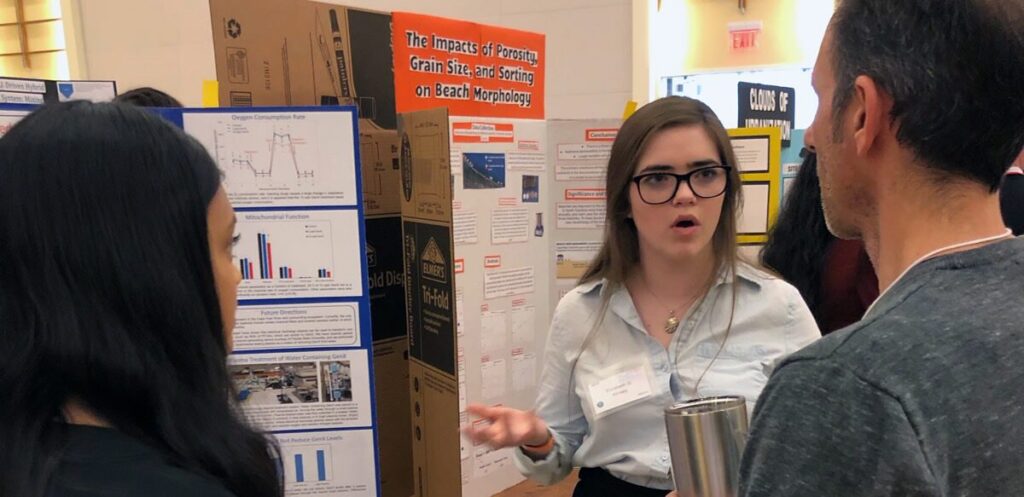
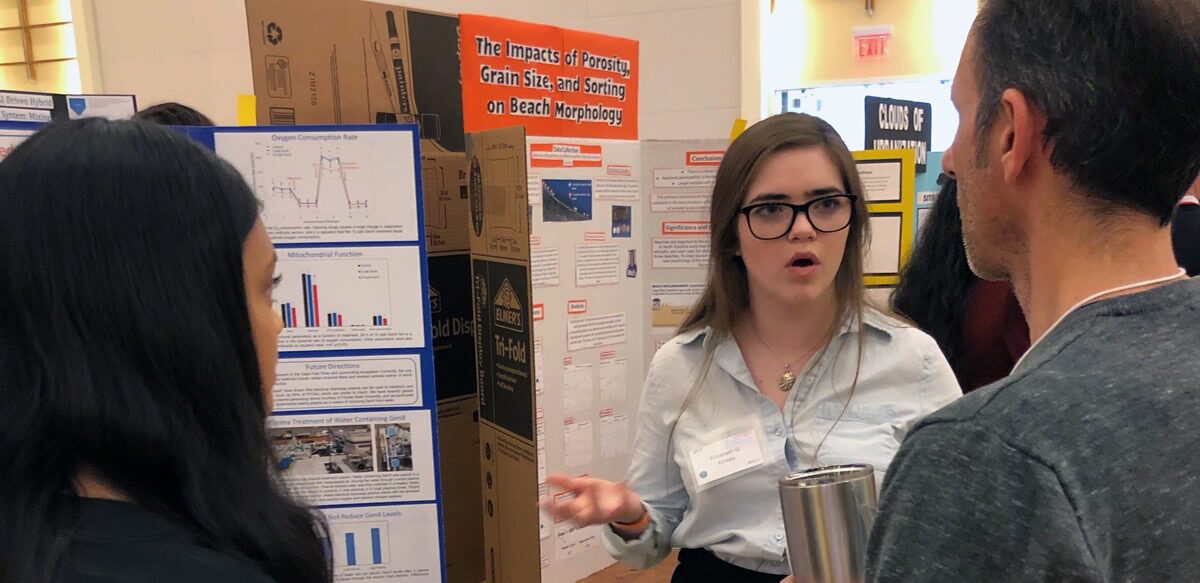
As seniors at Biotechnology and Zoological Sciences School at the Fairchild Wheeler Campus approach Capstone Night, there’s been a growing concern about whether they will meet the impending deadline for their projects. With college applications looming, many students feel overwhelmed by the dual pressures of common app deadlines and their final Capstone presentations.
The cause of this concern is the introduction of the new Capstone curriculum. For the first time this year, students were offered two options. In order to enroll in the two-semester course, which up until now has been required for all students, the class of 2025 was required to submit a proposal by January 2024 that demonstrated why their project would require two semesters to complete. Students who did not submit a proposal were enrolled in the newly redesigned one-semester Capstone.
The results of the one-semester course have been mixed. Many students appreciate the new pace. Lila, a one-semester Capstone student at Biotech is having a good experience. “Everybody’s project is obviously so different, and [the teacher’s] personalized attention is helpful, so it’s not just like general and vague like ‘oh this applies to everybody.” She adds, “[My teacher’s] given us very strict deadlines and really worked with us to help us meet them, and she gives us very clear rubrics and is very clear about what needs to be included and what needs to be done and when.”
Another student, Julianna, shared this opinion stating, “I can’t procrastinate and it’s teaching me to get my s*** done, oh wait I’m sorry, get my stuff done on time.”
However, not all feedback on the one-semester course is positive. one student, who spoke on condition of anonymity, who also took the one-semester Capstone, explained, “Not great, super stressful, only class I’m super stressed in because it just feels like nothing is ever getting done. Every single assignment in my Capstone class is an obstacle in my life and I can’t get past it. I cry every day of my life… I cry every day… some things being prioritized in our Capstone class don’t seem like they need to be such a high priority.”
Another student who spoke on the condition of anonymity said in their experience, support is lacking. “I cried a lot and then I had to lock in,” she said. When asked about dealing with stress, the student added, “Coffee! Coffee! Coffee!” Many students have corroborated these struggles.
When reached for comment, Biotech principal Mr. Channer confirmed that he has spoken with several students who are struggling with the one-semester class. “The thing is, too many students were not using their time well in the two-semester version, which is why we wanted to offer the one-semester class. Every student had the opportunity to enroll in the two-semester class. Submitting the proposal was their responsibility.”
The thing is, too many students were not using their time well in the two-semester version, which is why we wanted to offer the one-semester class.
Ms. Liskov, who teaches the two-semester version, agrees that time was wasted for some students in the first semester. “I have taught Capstone the old way four times since I’ve been teaching here and I did feel like time was wasted in that first semester, not you guys so much because you guys were interested in your projects.” She agrees that having two semesters allows for more depth, but only when students are taking responsibility for their commitments and working independently. “In the two-semester course we had the ability to do a lot of presentations which helped ultimately, but in the past, I did find kids were not doing anything. And if you have a class full of 25 kids it’s hard to keep people on track.” She believes that students in the two-semester track benefit from having more time to process their ideas and receive her guidance, but only when those students have the will to learn and apply those ideas.
When asked what can be done to help struggling students in the one-semester class, Channer suggested advocating for yourself with your teacher. If you don’t feel comfortable with the teacher, he suggests finding another teacher or an administrator you trust and asking their advice on how to handle the situation.
In contrast to the one-semester Capstone model, the two-semester version offers students a more extended timeline. This allows for deeper research of topics, “The expectations are higher because we had more time,” says Wyatt, a student in the two-semester track. “I feel very supported in this process. [The teacher] understands a lot about what I’ve been doing…I’ve been trying to take it one piece at a time but you get push back, which is nice so you can fix it, but it gives you more stuff you need to do.” When asked if his teacher takes on a supportive role for the students, Wyatt adds, “I believe she does. It’s a pretty balanced class, at least for ours, which is helpful and keeps you generally on track. It gives you a lot of the fundamentals, I think it could help you quite a bit, because you are going to have to do well-researched projects, for example, when getting your Masters.”
Riyana, who takes the two-semester course, adds, “I prefer having a two-semester class. I’m not laid back because it is a hard class, but I feel less stressed knowing that I have the time to hand things in. And then we have to do the surprise presentations which are also pretty fun.” Riyana also added, “The feedback [the teacher] gives is very detailed, and she tells me what exactly to fix and what I need to change within my paper so I can make sure my paper is the best it can be. We have our check-ins where I can tell her any questions or concerns that I have so she can check that I’m actually doing work. I don’t find myself slacking.”
Teachers also share different perspectives on the two formats. “The way capstone was originally written, in semester one students should be taught the skills,” a teacher, who preferred to speak anonymously said. “How to research, how to find peer reviewed articles, how to read an article, how to annotate, how to write the paper, and then you write a proposal. You’re proposing what you’re going to do your senior year. So, in your senior year, you have a semester to complete a really good project.” The problem is, if students don’t do the work in semester one, they are scrambling in semester two anyway.
Despite the pros and cons of each format, the primary concern remains the well-being of students and the preparations being made for Capstone Night.
